



Mindful Yoga in Meeting Room 1 8.30 to 8.50 (optional) - ground yourself before the day starts: everyone welcome, gentle movement, no experience necessary, and no specific outfits required.
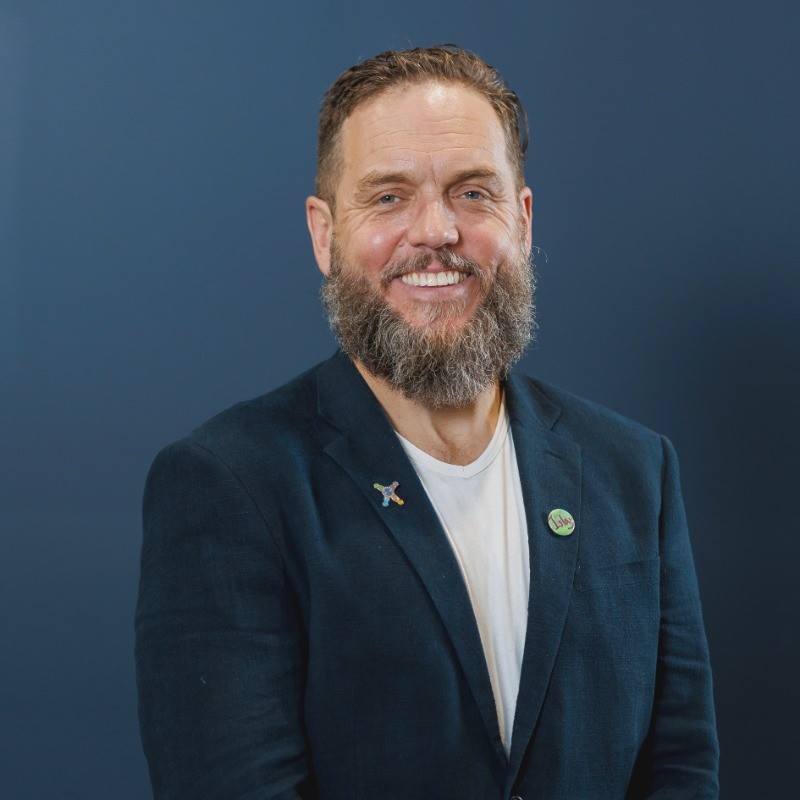
Rabbi Zalman Kastel AM (Together for Humanity)
A Moment in Anger, A Lifetime in Goodwill
View Abstract
Many of those in our care, and some of us in leadership and caring roles are understandably angry about, or afraid of harm and pain. For some these strong emotions are temporary and may lead to a specific response, then dissipate. For others, fear, anger or despair can become more pervasive and semi-permanent. Following the Lindt Café Siege on 15–16 December 2014 many Australians rallied in solidarity with Muslim Australians with the slogan, “I’ll ride with you”. However, following the Bondi attack on 14 December, 2025, we see Multiculturalism and the idea that diversity is a strength being challenged. As a Jewish man who lost people dear to him in that attack and as a Jewish religious leader; Zalman has been navigating despair, anger, hate and “tolerance” in himself and assisting others. How does one remain hopeful and caring? Drawing on ancient wisdom and contemporary practice, some insights are offered on how carers and those in their care can flourish.
Performance TBC (10 mins)
Professor Geoff Masters (Institute for Educational Reform)
The Children We Leave Behind (30 mins)
View abstract
It is well understood that many children fall behind at school. Some complete primary school lacking the reading skills they were expected to develop in the early years of school. As many as one in four 15-year-olds lacks mathematics knowledge and skills expected of 12-year-olds. Less well recognised is the role that schooling processes themselves play in sorting students and leaving some behind. This presentation will reflect on the current "machinery" of schooling and its contribution to underperformance at school. It will also consider how curriculum, assessment and reporting processes might be redesigned to better support teachers to meet individuals where they are and ensure that all make good ongoing progress.
11:00 – 12.00PMBreakout Session 1
Organisation: Switch4Schools
Format/duration: 60 minute presentation
View abstract
For decades we’ve taught emotional intelligence as the ability to recognise, understand and regulate emotions. Those skills matter, but they were never meant to be the destination. In increasingly complex schools and services, the real challenge isn’t simply containing emotion. It’s knowing how to intentionally use emotion to create safety, build trust, motivate behaviour, make better decisions, and influence the people around us. This session introduces the concept of Emotional Agency, the ability to deliberately work with emotion rather than simply react to it or suppress it. Drawing on neuroscience, behavioural economics and practical experience from schools, Phil explores why emotional regulation alone often leaves educators exhausted, why empathy can unintentionally contribute to burnout, and how emotionally intelligent organisations create environments where both adults and young people can flourish. Participants will leave with a practical framework for moving beyond emotional awareness towards emotional influence, helping create calmer classrooms, healthier workplaces and more sustainable leadership.

Organisation: Department of Child Protection SA; Victims of Crime NT; KandaCare; The MacKillop Institute
Format/duration: 60 minute - panel
View abstract
Join us for this engaging chat with 3 CEO’s as they reflect on leadership, managing complex environments and the enduring principles that guide grounded leadership. Jackie Bray, Chief Executive of the Department for Child Protection, Cheryl Barrett, Group CEO Kanda, and Gerard McGeough, CEO Victims of Crime NT will share their unique insights on remaining human-centred in risk adverse systems, prioritising cultural humility, and creating a safe and connected workforce-even when it’s the harder path. The panel will reflect on aspects of the Sanctuary model that reinforce enduring wisdom, and hold promise for the co-creation of an even stronger future for their organisations, and the sector.
Organisation: ElephantEd
Format/duration: 60 minute presentation
View abstract
This session examines the rapidly evolving online risks facing young people, from AI-generated deepfakes and image-based abuse to sextortion, grooming and emerging digital threats. It unpacks key definitions, current trends and the platforms where harm often begins, while demystifying how technologies like AI are being misused. Grounded in evidence and practical insight, the session equips educators and leaders with the knowledge and tools to recognise risks early, respond effectively and strengthen young people’s digital safety and resilience.

Organisation: Fire Rescue Vic
Format/duration: 60 minute presentation
View abstract
The focus of the presentation is about how leadership impacts wellbeing. Through my recent research, I explored whether person-centred & values-based 'Servant Leadership' offers a practical pathway to improving wellbeing, culture, and organisational performance in emergency services. Drawing on international (Swedish Police Authority and various USA first responder agencies) case studies, organisational data, and lived leadership experiences, my report 'To Lead is to Serve' argues that upstream leadership reform may be one of the most powerful levers for change, not only for organisations, but also the communities they serve.
Organisation: Global Adapt Advisory
Format/duration: 60 minute presentation
View abstract
In a context of increasing mobility, uncertainty and change, many children, young people and adults are navigating ongoing transitions -relocation, shifting identities and disrupted relationships. Research consistently shows that a sense of belonging is foundational to wellbeing, engagement and learning, while experiences of disconnection can negatively impact mental health and development. This session explores how organisations can move beyond reactive support to intentionally design environments that foster stability, connection and inclusion. This session is for leaders, educators and practitioners working in diverse or transitional contexts. Participants will gain insight into how change and transition impact identity and wellbeing, alongside practical strategies to strengthen belonging. They will leave with a research-informed framework and actionable ideas to support emotional safety and inclusion within their organisations.
Organisation: University of Melbourne
Format/duration: 60 minute presentation
View abstract
The presentation focuses on Ngarrngga, a nation-building program that weaves Aboriginal and Torres Strait Islander knowledge into every classroom through culturally responsive, relational and research-grounded practice. It matters now because treating Indigenous histories, cultures and perspectives as optional perpetuates incomplete education and undermines reconciliation, social cohesion and national resilience. Ngarrngga outlines a vision and three interrelated nodes developed through iterative design-based research and rigorous vetting, aiming to increase educator confidence, ensure consistent curriculum integration, reduce teacher duplication, strengthen community–school partnerships and generate data to inform policy and professional standards, offering a sustained pathway to honour First Nations knowledges. Educators, school leaders, curriculum developers and policy makers benefit from this session, gaining strategies, research grounded tools and culturally responsive approaches to embed First Nations knowledges across subjects. Participants leave with increased confidence, leadership insight for community school partnerships, curriculum integration models, reduced planning duplication and evaluation measures to inform policy and professional standards. Ngarrngga’s iterative vetted framework equips practitioners to deliver consistent high quality education that prepares students as informed, respectful citizens.
Organisation: FirstAidPro
Format/duration: 60 minute presentation
View abstract
Caring for others can be incredibly meaningful—but it can also take a quiet toll. Even when you’ve done everything right, it’s common to feel like you haven’t done enough. Impostor syndrome, survivor guilt, and the struggle to prioritise your own wellbeing can leave carers carrying a heavy sense of self-doubt. This workshop offers a practical, grounded way to respond to these challenges through self-forgiveness and self-care. Drawing on Contextual Behavioural Science, it helps participants make space for difficult thoughts and emotions rather than fight them. With a focus on values and lived experience, participants will explore how to rebuild a sense of purpose, compassion, and direction from the inside out. This session is designed for those who regularly show up for others—carers, teachers, and community leaders who carry both responsibility and emotional load. It will be especially valuable for people who hold themselves to high standards, often feel they “should be doing more,” or struggle to balance caring for others with caring for themselves.
Organisation: ZOE Foundation
Format/duration: 60 minute workshop
View abstract
As adults, we have a responsibility to keep children safe and protected from harm. At the same time, we can empower children to protect themselves by teaching them how to recognise, respond to, and report unsafe behaviours and situations. This game has been designed to support children in developing strategies to identify safe people and safe places, with the aim of reducing harm and strengthening their ability to seek support. In this hands-on session, participants will explore these concepts and experience the game firsthand. The session will also introduce additional resources to help facilitators confidently deliver the activities and foster meaningful conversations with children about safety, trust, and seeking help. Participants will leave with practical tools and ideas they can apply in their own settings to help equip children with the knowledge and confidence to navigate unsafe situations.

Organisation: Uniting Vic Tas
Format/duration: 60 minute presentation
View abstract
Children and young people thrive when they can live safely with their families. The Family Preservation and Reunification (FPR) Response is an evidence-based initiative that works with families where children are in out-of-home care or at risk of entering it. This presentation will focus on a recent participatory evaluation by Uniting Vic.Tas of our FPR program, which was completed in partnership with parents with lived experience of family services. This presentation, co-delivered with a consumer partner, will share insights on embedding lived experience in evaluation and highlight what works to strengthen child safety and family wellbeing in complex and evolving service systems. This presentation is for community service leaders, practitioners, evaluators, researchers, and policymakers working in child and family services. Participants will not only gain understanding in what works to keep children safely at home, but also practical strategies for embedding lived experience in evaluation. They will leave with a greater understanding of how participatory approaches that centre both professional and lived experience perspectives produce more relevant, credible, and actionable evaluation findings that strengthen child safety and family wellbeing. Using the Family Preservation and Reunification evaluation as a case study, this presentation shows how evidence, best practice, and lived experience can be drawn together through collaborative sense making to produce more relevant, credible, and actionable evaluation findings that strengthen child safety and family wellbeing, practitioner practice and system responsiveness in complex child and family service contexts.
12.05 – 13.05 PMBreakout Session 2
Organisation: CQUniversity
Format/duration: 60 minute presentation
View abstract
BF Skinner first described countercontrol and the serious unpleasantness it could generate in 1953. Since then, even though methods of behavioural control have mushroomed, countercontrol has been largely ignored. Countercontrol, however, may offer a useful perspective from which to understand some of our most intractable behavioural and social problems. Countercontrol is possible any time one person specifies what the actions of another person should be. Schools, and other institutions where some people have power and authority over other people, provide ideal settings for the manifestation of countercontrol. Countercontrol is one example of the phenomenon of control. The fundamental importance of control is well recognised at a biological level through examples such as homeostasis. The presence of control at psychological and social levels of functioning is less well recognised but no less important to successful and contented daily living. Understanding what control is and how it works provides a novel way of understanding the dynamics of behaviour in social contexts. The field of control science helps address matters such as safety and wellbeing from a first-person perspective and provides valuable insights into the importance of goals, their connection to action, and how change occurs.

Organisation: MacKillop Family Services & Gellung Warl
Format/duration: 60 minute - Panel
View abstract
Coming soon.

Organisation: River Nile School
Format/duration: 60 minute presentation
View abstract
What does it look like when wellbeing is built into the whole school day, not held by one team or program? This workshop explores how River Nile School has embedded trauma informed and relational practice across every aspect of the school day. Through a practical “day in the life” journey, participants will see how safety, predictability, dignity and repair are brought to life through everyday routines, relationships and responses that support young women from refugee backgrounds to engage, participate and thrive. The session will showcase the RNS 5 Moments Framework and Wellbeing Beyond School Goals Model, sharing practical examples of how schools can build agency, aspiration, voice, growth, leadership, independence and wellbeing. Participants will leave with ideas for embedding wellbeing across their school, creating both immediate safety and stronger futures for young people.
Organisation: University of Melbourne
Format/duration: 60 minute presentation
View abstract
In this session, Associate Professor Tom Brunzell (University of Melbourne) draws on his original research to support school leaders in strengthening behavioural support frameworks and aligning strategic planning with trauma‑informed school development. Drawing from more than a decade of research and applied work across varied school contexts, the session will explore how leaders can intentionally activate whole‑school structures that respond to the full continuum of student need—from universal Tier 1 foundations through to targeted and intensive Tier 3 responses for complex behaviour. Participants will engage with three interrelated strategic priorities that underpin sustainable wellbeing and academic growth across schools. First, leaders will consider how to shift staff thinking from reactive, crisis‑driven responses toward proactive practices grounded in relational safety and shared responsibility, building authentic staff buy‑in. Second, the session will examine the design of consistent, schoolwide systems that minimise decision fatigue, clarify expectations, and support fair, restorative approaches to behaviour. Third, leaders will explore ways to build students’ capacity to meet higher expectations through strengths‑based, trauma‑informed routines and explicit self‑regulation strategies. By the conclusion of the session, leaders will be equipped with practical tools to strengthen staff commitment, reduce burnout, maintain academic rigour, and cultivate learning environments where both students and staff are supported to thrive.
Organisation: Talking the Talk
Format/duration: 60 minute presentation
View abstract
Why Trusted Adults Matter More Than Ever—How to Talk About Sex, Sexuality, Respect and Consent Without Cringing For many adults, conversations about sex, sexuality, bodies, relationships and consent can feel awkward, uncomfortable, or overwhelming. Yet research consistently shows that children and young people are safer, healthier and more resilient when they have trusted adults who are willing to talk openly, honestly and age-appropriately about these topics. In this engaging and practical session, sexuality educator Vanessa Hamilton explores how parents, educators, practitioners and community professionals can move beyond fear and uncertainty to become approachable adults. Drawing on more than 30 years of experience in sexual health and education, Vanessa will share evidence-based strategies, real-world stories and simple conversation techniques that help adults respond confidently to children's questions and everyday teachable moments. Aligned with the conference theme, Enduring Wisdom, Emerging Futures, this session recognises the enduring importance of trusted relationships while addressing the emerging challenges facing children and young people today, including online influences, changing social norms, and increasing complexity around sex and sexuality, identity, relationships and consent. Participants will leave with greater confidence, practical language they can use immediately, a deeper understanding of why these conversations matter, and strategies for creating safer, more open environments where children and young people feel informed, respected and supported. They might also get that sexuality education they never received.

Organisation: ACU
Format/duration: 60 minute presentation
View abstract
Children and young people consistently tell us that what happens after harm matters. When they disclose abuse or raise a concern, the responses of adults and organisations can strengthen safety and recovery—or compound the harm they have experienced. Drawing on research with thousands of children and young people (including the SAY-IT project for the National Centre for Action Against Child Sexual Abuse), this presentation explores what young survivors need from adults during and after disclosure. Their messages are clear: slow down and listen; acknowledge and believe them; explain what will happen next; involve them in decisions; and ensure a trusted adult remains alongside them. Participants will consider how well-intentioned responses can lead to re-victimisation when young people feel excluded, disregarded or stripped of control. They will leave with practical strategies for responding to disclosures and creating organisational cultures that support survivor-aware practice.
Organisation: Seasons for Healing
Format/duration: 60 minute presentation
View abstract
Grief is not something that can be fixed, hurried or solved. Grief, loss and healing is a journey. For Aboriginal and Torres Strait Islander adults, that journey is often shaped by layered, challenging losses deeply connected to family, community, culture and Country. Seasons for Healing offers a culturally safe, evidence-informed program that supports social and emotional wellbeing, helping participants build resilience and keep Spirit strong through grief, loss and change. Using the symbolism of the seasons, this program supports participants to identify and acknowledge hurts and explore how grief impacts everyday life, while learning new ways to respond. Through themes such as forgiveness and unresolved grief, this program creates space for yarning, storytelling, reflection and shared healing. Delivered by trained companions in small, peer-based groups in community, Seasons for Healing recognises what has always been known, that healing is a collective journey, and does not have to be travelled alone.

Organisation: Lookout Centre
Format/duration: 60 minute presentation
View abstract
Children and young people living in out-of-home care face significant educational disadvantage, yet schools have the opportunity to become one of the most influential protective factors in their lives. Presented by the four Executive Principals of Victoria's LOOKOUT Centres, this interactive panel session will combine statewide data, practical insights and the voices of those with lived experience to explore how educational leaders can strengthen outcomes for children living in care. Participants will gain an understanding of Victoria's out-of-home care system, examine key educational trends, and hear directly from people with lived experience, carers and school leaders about the profound impact schools can have on a child's educational journey. The session will encourage audience engagement through discussion and reflection while showcasing practical strategies that schools can implement to improve educational engagement, attendance, belonging and achievement. It will also highlight the importance of strong partnerships between schools, carers, Child Protection and support services.
Organisation: Mater Education
Format/duration: 60 minute workshop
View abstract
The workshop draws on organisational psychology, neuroscience and scenario-based learning to provide practical frameworks that participants can immediately apply within their teams and organisations. Key areas include: Creating psychological safety and trust in workplace relationships Addressing concerns early and constructively Giving and receiving feedback effectively Navigating challenging conversations with curiosity, confidence and respect Strengthening collaboration, accountability and team culture
1:50– 2:30 PMBreakout Session 3
View abstract
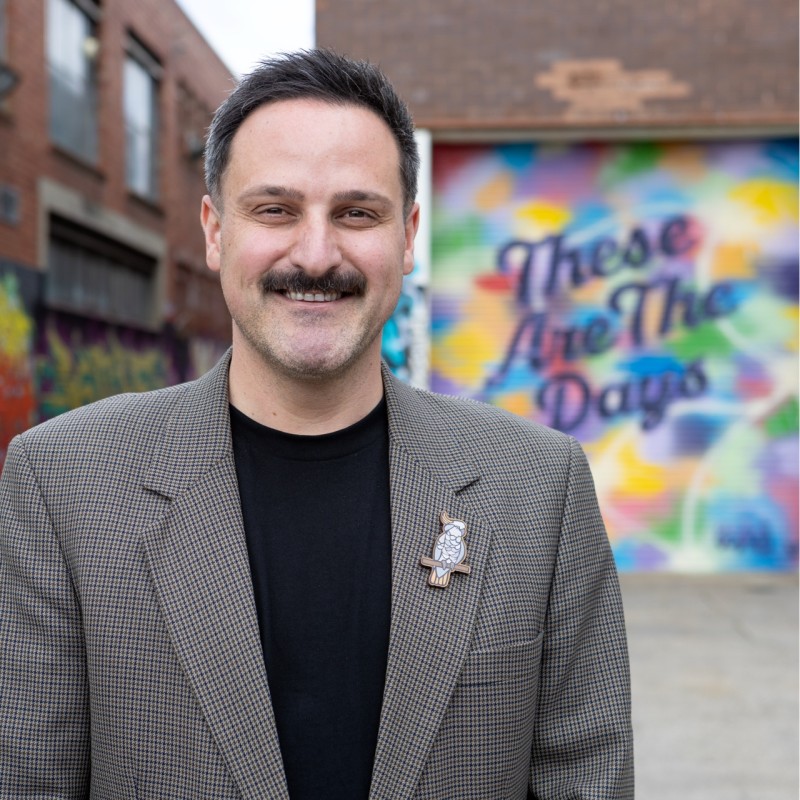
Teenage boys are growing up in a complex world of online influence, social pressure, loneliness, gender expectations and mixed messages about what it means to be a man. Too often, conversations about boys swing between blame and rescue. This session offers a different pathway: engaging boys with honesty, high expectations and unconditional positive regard. Drawing on The Man Cave’s work with thousands of boys in schools across Australia, this presentation will explore what boys are telling us about mental health, friendship, help-seeking, masculinity, respect, emotional safety and the adults they trust. It will examine how healthy masculinity programs can strengthen child and youth safety and wellbeing by creating spaces where boys can reflect, build emotional literacy, challenge harmful norms and practise healthier ways of relating. The session connects with the conference theme by holding “enduring wisdom” alongside “emerging futures”: combining evidence, practice knowledge and boys’ lived experience with the urgent need to respond to the digital, relational and cultural realities shaping young people today. Participants will leave with a clearer understanding of what is happening for teenage boys, why prevention matters, and practical insights they can take back into schools, services, families and communities.


Organisation: Franklin Primary School Tasmania
Format/duration: 40 minute presentation
View abstract
Franklin Primary School’s journey into Intercultural Understanding has just begun, but it reflects a purposeful shift from a regional school with limited extracurricular and cultural programming to a community learning to be deeply connected to culture, identity, and place. Initially constrained by priorities focused solely on Lifting Literacy and Improving Attendance, the school recognised through student and community voice a need to broaden students’ experiences and strengthen their community’s sense of belonging. Through intentional leadership, staff collaboration, and community partnerships, Franklin Primary has begun to reimagine its curriculum and learning programs. Central to this transformation is a growing commitment to understanding and embedding local Aboriginal truth telling, valuing student voice, and recognising culture as a foundation for learning. Professional learning, staff experiences in other cultures, strengthened relationships with local knowledge holders, and inclusive school practices enabled staff to build confidence and authenticity in cultural engagement. Students are being empowered to explore their own identities while developing respect and appreciation for the histories and traditions of others. Over time, these efforts hope to reshape the school culture, creating richer learning opportunities and a stronger sense of community cohesion. Today, Franklin Primary continues to learn and embed Cultural Connections and Learning to show how a school can evolve—moving beyond limitations to foster meaningful inter-cultural understanding, connection, and learning.

Organisation: Built on Connection
Format/duration: 40 minute presentation
View abstract
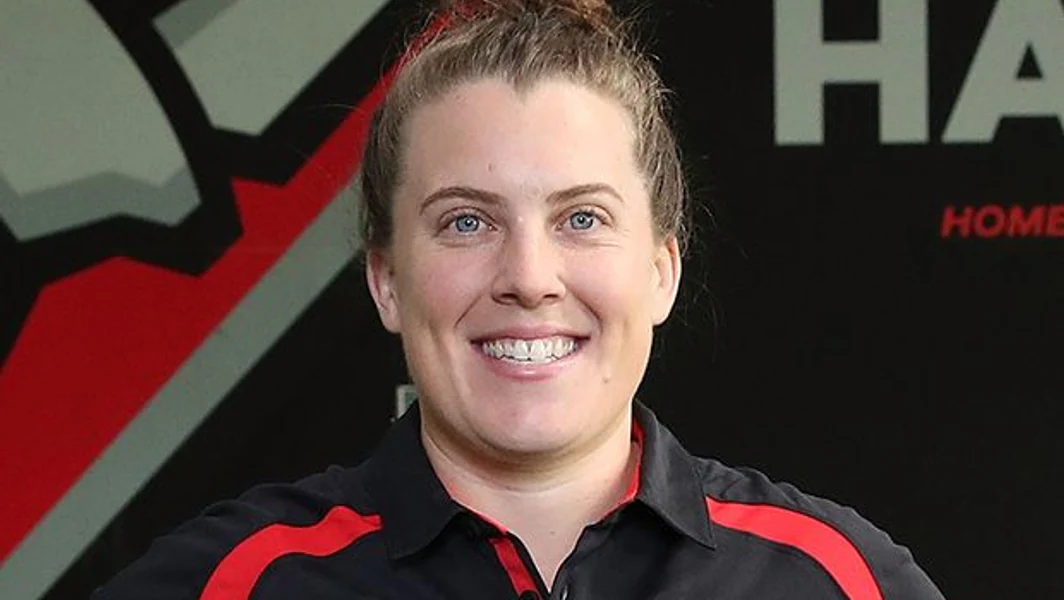
Strong cultures don’t happen by chance—they are built through everyday moments of connection. This interactive workshop explores how leaders can intentionally create environments where people feel psychologically safe, connected and empowered to thrive. Drawing on Esther Hassett’s experience as a social worker, teacher and former Head of Player Wellbeing at the North Melbourne Football Club, alongside Mat Hyde’s expertise in leadership and culture, participants will explore the practical behaviours that build trust, strengthen belonging and improve wellbeing across schools and organisations.
Organisation: River Nile School
Format/duration: 40 minute presentation
View abstract
Coming soon...

 Disaster: A Psychoeducational Approach to Change, Loss and Grief in Children and Young People
Organisation: MacKillop Seasons & St Joseph's Primary
Format/duration: 40 minute presentation
View abstract
With the ever-increasing frequency and ferocity of natural disasters in Australia, the federal and state governments are investing in successful programs that deepen community resilience. Stormbirds is an evidenced-based changed, loss and grief education program for children and young people. The program builds social and emotional coping skills and strengths supportive relationships for participants, their families and the broader community. It increases children’s readiness, adaptability and resilience in preparedness and response to a natural disaster.

Organisation: John Cardamone
Format/duration: 40 minute presentation
View abstract
When a child discloses abuse, harm, or a significant concern, the response they receive can have a profound impact on their sense of safety, wellbeing, and healing. Many adults want to respond well, yet often feel uncertain about what to say, what to do, or how to manage these critical moments. In this presentation, John Cardamone shares his lived experience of childhood sexual abuse and how the response he received when he disclosed changed the course of his life. Through both personal reflection and professional practice, John explores the powerful role adults play in creating the conditions for children and young people to feel safe, heard, believed, and supported. Participants will be introduced to the BeCalmer™ framework, a practical and trauma-informed approach designed to help educators, professionals, parents, carers, and community members respond to disclosures with confidence, compassion, and care. Aligned with the conference theme, Enduring Wisdom, Emerging Futures: Strength in What We Know, Co-Creating What Comes Next, this session combines enduring principles of child safety, connection, and belief with contemporary understandings of trauma, recovery, and healing. Participants will leave with practical strategies to support disclosures, strengthen child-safe cultures, and better understand how their response can influence a child's pathway to safety, wellbeing, and recovery.
Organisation: Western Sydney Uni
Format/duration: 40 minute presentation
View abstract
At a time when children’s wellbeing and school engagement are declining, educators are seeking practical approaches that strengthen relationships, belonging, and emotional wellbeing. The study found that regular nature play supported students’ social connections, autonomy in learning, and engagement, alongside improvements in mathematics achievement compared with a control group. Qualitative insights from children, teachers, and parents highlight how outdoor learning environments foster collaboration, confidence, and intrinsic motivation. The presentation explores how nature play can provide a practical pathway to improving wellbeing and learning outcomes. This presentation shares findings from a mixed-methods study investigating a 10-week bush school nature play program for Year One students in an Australian primary school.

Organisation: MacKillop Education
Format/duration: 40 minute presentation
View abstract
The 2024 Let Us Learn Inquiry, undertaken by the Commission for Children & Young People, made one thing impossible to ignore: young people in care are telling us exactly what they need from school and the system has not yet been brave enough to respond. Their voices exposed a truth we can no longer sidestep educational success for young people in care doesn’t hinge on their resilience. It depends on ours. This session steps beyond reflection into future-focused action centred around MacKillop’s Education Strategy for Children in Care. Central to this work is our partnership with schools. Educators told us clearly: help us help these young people. This session looks at tangible tools and solutions, including improved communication systems that streamline information-sharing, trauma-informed training built around real classroom scenarios, and a new School Readiness Tool designed to create clarity, shared expectations, and a smoother transition for young people in care.
2.35-3.15 PMBreakout Session 4

Organisation: MacKillop Family Services & Moses Riek
Format/duration: 40 minute presentation
View abstract
Every young person has a story . The question is what helps change it’s direction? Bringing together the perspectives of a young mentor with lived experience and a culturally responsive practitioner this session explores the role education and community can play in changing life trajectories. Through an honest and raw conversation , participants will hear the story of a young man whose life once followed a very different path and explore the protective factors , relationships, belonging and a sense of identity that helped change the direction of his life. In alignment with the conference’s theme of Enduring Wisdom , Emerging Futures , this session invites educators to reflect on the enduring impact of trust , belonging, and consistency . Participants will leave with practical insights into how educators , families and communities can work together to create the conditions for young people not only to succeed , but imagine different possibilities for their lives.

Organisation: StandUp Project
Format/duration: 40 minute presentation
View abstract
The presentation focuses on how student-led, peer-facilitated approaches can strengthen safety, wellbeing, and relationships in school communities by shifting young people from passive bystanders to active Upstanders. It examines why adult-led behaviour models often fail to change peer dynamics and how empowering students to model and maintain prosocial behaviour leads to more sustainable outcomes. This matters now as schools face increasing levels of peer conflict, discrimination, and disengagement, alongside growing pressure on staff. Building collective responsibility and emotional intelligence in students is critical to creating safer, more resilient communities., This presentation is for educators, school leaders, wellbeing practitioners, and policymakers working to improve student safety, relationships, and culture. Participants will gain a deeper understanding of how peer dynamics shape behaviour, alongside practical, school-ready strategies for developing student leadership, interrupting harmful behaviour, and embedding shared responsibility for wellbeing. Attendees will leave with clear insights into what works in practice, common pitfalls, and how to translate student voice into meaningful, sustainable change.

Organisation: Deloitte Access Economics Pty Ltd
Format/duration: 40 minute presentation
View abstract
This session will discuss key trends observed in relation to the alternative education sector, including growth, characteristics of students, and key differences across jurisdictions. It will explore some of the tensions faced by government-run systems, including distinguishing between genuine inclusion in mainstream settings and equitable access to specialised provision. It will also discuss the imperative for stronger system connection; across alternative settings, between mainstream and specialist schools, and with broader service systems. It will conclude with key opportunities to strengthen connection and impact, including professional collaboration and networks, more flexible pathways, and the effective use of technology.
Organisation: The MacKillop Institute
Format/duration: 40 minute presentation
View abstract
Children and young people across Australia are being exposed to multiple forms of sexual abuse at alarming rates. They are increasingly exposed to overlapping risks of child sexual exploitation, harmful sexual behaviours (particularly from peers), and dating violence. This is happening in our schools, classrooms, communities and homes. Recent national data indicate that one in four Australian adults report having experience childhood sexual abuse, and children and young people in residential and out-of-home care settings account for a disproportionate thirty-three per cent of child sexual exploitation reports. Child-on-child sexual harm within school populations is rising in both volume and complexity (Australian Child Maltreatment Study, 2023; Royal Commission into Institutional Responses to Child Sexual Abuse, 2017). This session, delivered by practitioners working across the residential care and school settings delivering the child sexual safety program - Power to Kids - will trace the enduring wisdom generated through more than a decade of a partnership between MacKillop Family Services and the University of Melbourne to strengthen child protection and adults capacity to prevent, identify, intervene early and respond effectively to abuse, and will demonstrate how that wisdom is being translated into emerging practice with OOHC organisations, schools, staff and educators.

Organisation: MacKillop Education
Format/duration: 40 minute presentation
View abstract
MacKillop Education Geelong is piloting an innovative Community Hub model, embedding a Family Therapist within the school to work alongside families, young people and staff. Since commencing beginning of 2026, the service has been at capacity, highlighting both the need for and value of accessible, relationship-based family support within educational settings. This presentation explores how schools can move beyond supporting the individual learner in isolation and instead work with the whole family system. At a time when schools are increasingly responding to complex trauma, disengagement and wellbeing needs, this model demonstrates how integrated, culturally responsive support can strengthen relationships, increase engagement and create real sustainable generational change.
Organisation: Living Ripples & Monash University
Format/duration: 40 minute presentation
View abstract
School professionals are navigating a rapidly shifting landscape of child and youth wellbeing, where longstanding challenges intersect with emerging pressures, and where the voices of young people are more vital than ever. Living Ripples is helping schools move beyond assumptions to truly understand what young people need to feel safe, connected, and supported. Drawing on current Living Ripples data, this session highlights key trends in belonging, emotional safety, trusted relationships, and help-seeking, revealing the patterns shaping the future of wellbeing. Through real examples of data-informed change, the presentation demonstrates how insights can become actions, and how actions can become meaningful impact. School leaders will leave with a clearer picture of what young people are telling us, why it matters, and how evidence-guided collaboration can strengthen wellbeing for students, staff, and whole school communities.
Organisation: University of Melbourne
Format/duration: 40 minute presentation
View abstract
In this interactive presentation, we explore emerging intersections of children’s harmful sexual behaviour and child sexual exploitation in school settings. We set out the drivers, amplifiers and moderators of these forms of abuse, and highlight victim children’s lived experiences. Although it can be difficult for educators to identify and respond to these sexual harms, we argue that the Power to Kids in Schools program is fit for purpose in equipping schools to manage these behaviours and support children who are victims, as well as those who are carrying out harm. We must not minimise and we must not stigmatise.

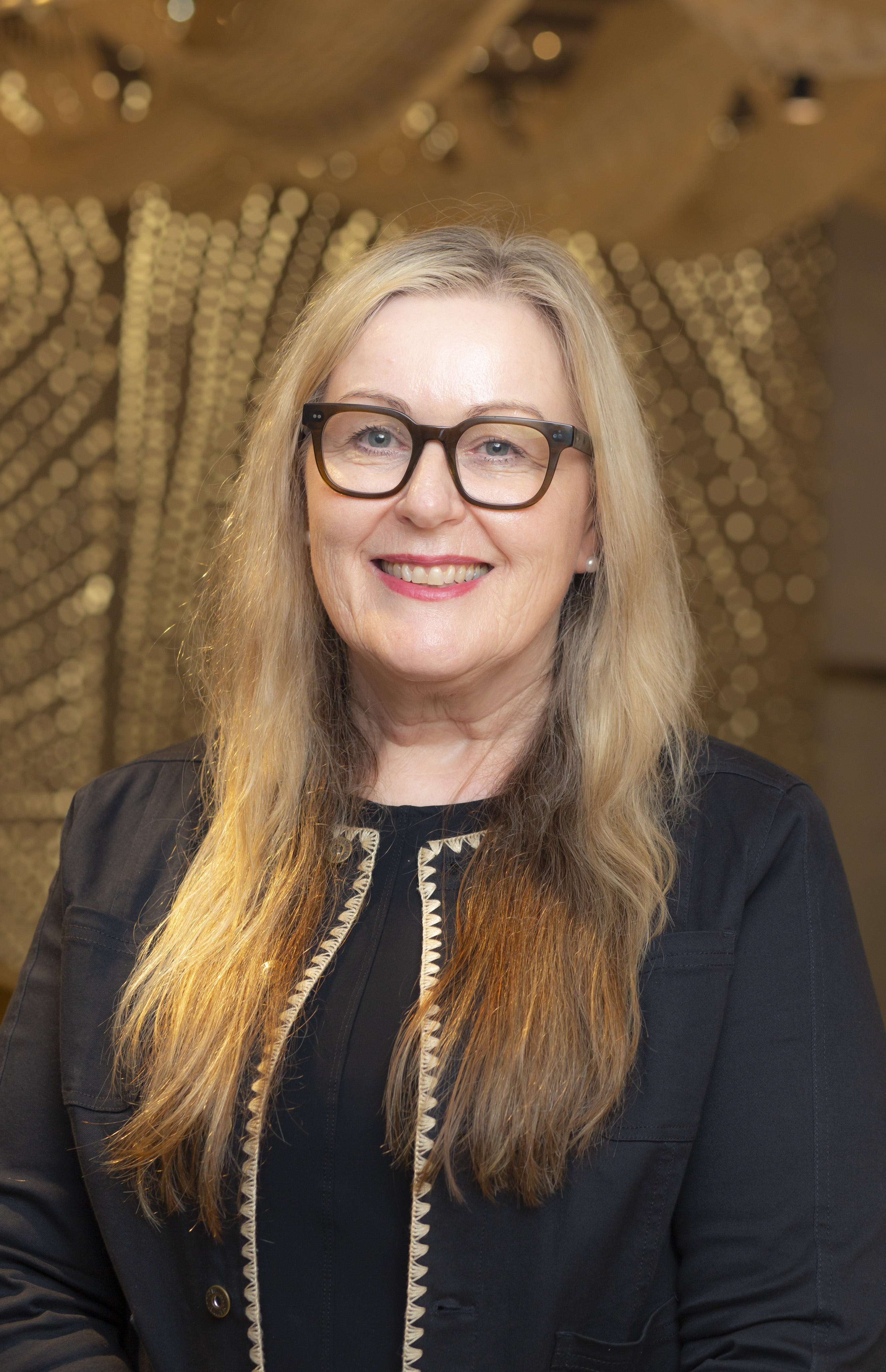
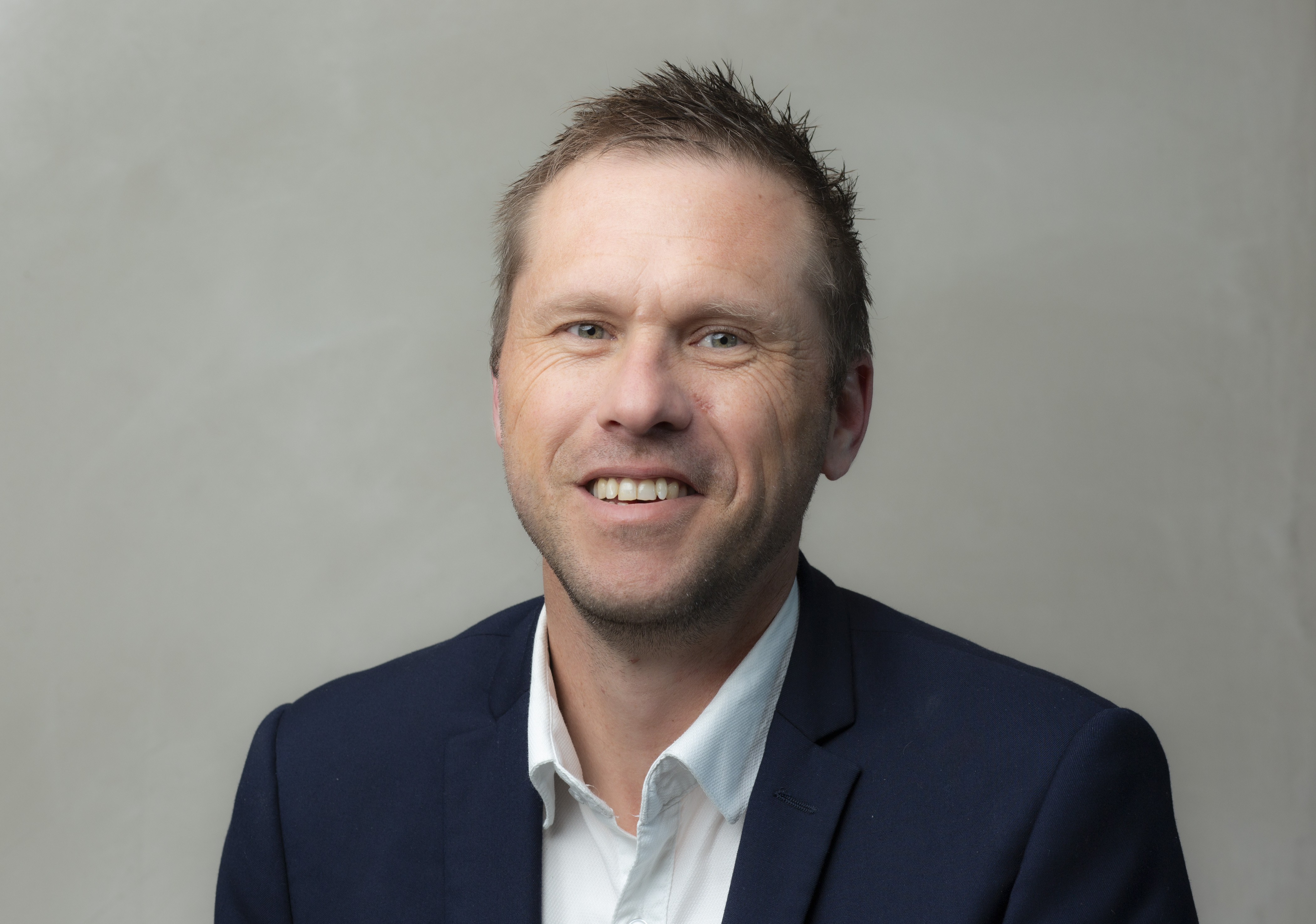
Commissioner Sue-Anne Hunter - National Commissioner for Aboriginal and Torres Strait Islander Children and Young People (20 mins)
Performance - Heidi Everett (Musician & Author) (10 mins)
Youth Council - Victorian Commission for Children and Young People
Commissioner Tracey Beaton - Principal Commissioner for Children and Young People
Commissioner Dallas Widdicombe - Commissioner for Aboriginal Children and Young People (30 mins)
Didgeridoo Healing
Closing remarks